Role
Role
Category
Category
Product
Product
Timeline
Timeline
Teams
Teams
Role: User Experience Researcher
Category: Accessibility Design
Product: Physical and Digital Prototypes
Timeline: Sept-Dec 2025
Teams: Research, Product, AI
Understanding Activities of Daily Living (ADLs)
barriers to Inform Assistive Technologies
Understanding Activities of Daily Living (ADLs) barriers to Inform Assistive Technologies
Understanding Activities of Daily Living (ADLs)
barriers to Inform Assistive Technologies
Understanding Activities of Daily Living (ADLs)
barriers to Inform Assistive Technologies
Situation
Situation
Situation
Task
Task
Task
Action
Action
Action
Result
Result
Result
Below is a video exploring my experience with this project and how it shaped my thinking.
Below is a video exploring my experience with this project and how it shaped my thinking.
Below is a video exploring my experience
with this project and how it shaped my thinking.
Our Problem Statement
Our Approaches to Research
Goals that Guided our Future Outcomes
Goals that Guided our Future Outcomes
01
Identify real-world barriers individuals with disabilities face when completing Activities of Daily Living within home environments.
02
Understand how diverse abilities, routines, and environmental factors impact independence and task completion.
03
Inform the development of assistive products that are practical, adaptable, and usable in real home settings.
04
Support the creation of an AI tool that provides personalized recommendations based on individual needs.
05
Ensure all solutions promote independence without compromising dignity.
01
Identify real-world barriers individuals with disabilities face when completing Activities of Daily Living within home environments.
02
Understand how diverse abilities, routines, and environmental factors impact independence and task completion.
03
Inform the development of assistive products that are practical, adaptable, and usable in real home settings.
04
Support the creation of an AI tool that provides personalized recommendations based on individual needs.
05
Ensure all solutions promote independence without compromising dignity.
01
Identify real-world barriers individuals with disabilities face when completing Activities of Daily Living within home environments.
02
Understand how diverse abilities, routines, and environmental factors impact independence and task completion.
03
Inform the development of assistive products that are practical, adaptable, and usable in real home settings.
04
Support the creation of an AI tool that provides personalized recommendations based on individual needs.
05
Ensure all solutions promote independence without compromising dignity.
Environmental Analysis
To understand how real home environments impact Activities of Daily Living, I conducted environmental audits
with others on the research team and created a journey map to capture where and why breakdowns occur.
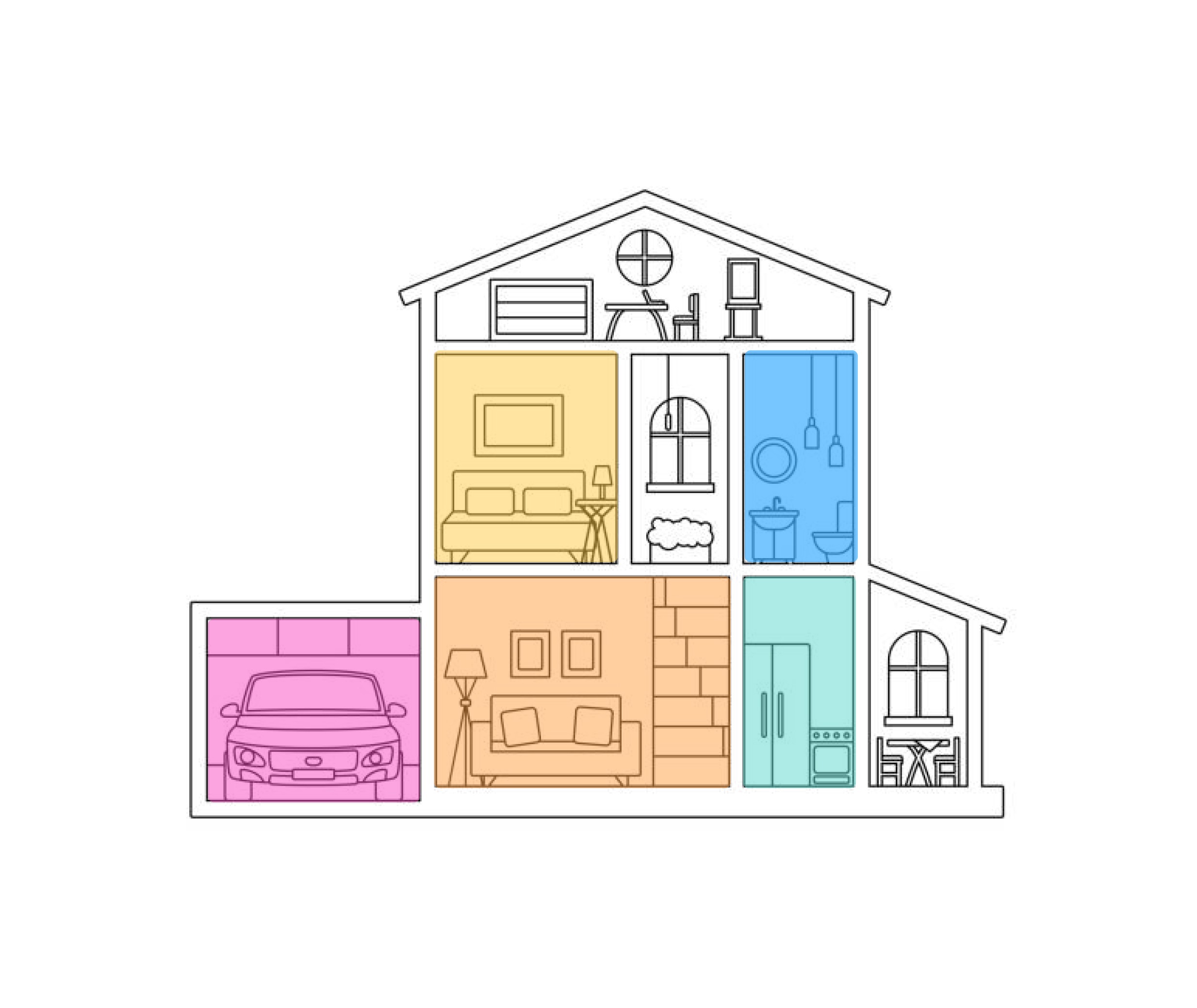
Environmental Audits
Conducted audits across five key home areas to identify physical barriers within real living environments.
• Identified environmental barriers such as tight spaces, unsafe surfaces, limited grab points, and out-of-reach storage. • Observed how home layouts complicate transfers, reaching, and mobility, even with assistive devices. • Found bathrooms and kitchens to be highest-risk areas with frequent unsafe workarounds.
ADL Journey Map
Mapped a full day of activities to identify points where tasks become difficult.
• Identified 39 pain points across daily routines from wake-up to bedtime. • Captured moments where tasks became physically and emotionally demanding or required assistance. • Used this map as a foundational framework to guide interviews, field visits, and prototype.
Environmental Audits
Conducted audits across five key home areas to identify physical barriers within real living environments.
• Identified environmental barriers such as tight spaces, unsafe surfaces, limited grab points, and out-of-reach storage. • Observed how home layouts complicate transfers, reaching, and mobility, even with assistive devices. • Found bathrooms and kitchens to be highest-risk areas with frequent unsafe workarounds.
ADL Journey Map
Mapped a full day of activities to identify points where tasks become difficult.
• Identified 39 pain points across daily routines from wake-up to bedtime. • Captured moments where tasks became physically and emotionally demanding or required assistance. • Used this map as a foundational framework to guide interviews, field visits, and prototype.
Environmental Audits
Conducted audits across five key home areas to identify physical barriers within real living environments.
• Identified environmental barriers such as tight spaces, unsafe surfaces, limited grab points, and out-of-reach storage. • Observed how home layouts complicate transfers, reaching, and mobility, even with assistive devices. • Found bathrooms and kitchens to be highest-risk areas with frequent unsafe workarounds.
ADL Journey Map
Mapped a full day of activities to identify points where tasks become difficult.
• Identified 39 pain points across daily routines from wake-up to bedtime. • Captured moments where tasks became physically and emotionally demanding or required assistance. • Used this map as a foundational framework to guide interviews, field visits, and prototype.
Secondary Research
We wanted to understand how different disabilities impact Activities of Daily Living and identify opportunities for assistive support, I conducted targeted secondary research focused on conditions, existing tools, and lived experiences.
Disability Impact Mapping
I created a chart documenting 17 non–age-related disabilities that directly affect Activities of Daily Living.
Outlined each condition and its primary ADL impacts • Categorized impacts as mobility, cognitive, sensory, or mixed. • Established a structured understanding of how different conditions affect independence and task completion. • Used this framework to align research with users most likely to benefit from DLL’s assistive products and AI tool.
Social Listening
I analyzed conversations across 7 online disability communities and 6 influencers to understand lived experiences outside of structured research.
• Identified recurring themes around cost, frustration with existing tools, and caregiver burnout. • Observed frequent reliance on DIY solutions when formal products were inaccessible or impractical. • Captured emotional and experiential insights that informed later research and design decisions.
Disability Impact Mapping
I created a chart documenting 17 non–age-related disabilities that directly affect Activities of Daily Living.
Outlined each condition and its primary ADL impacts • Categorized impacts as mobility, cognitive, sensory, or mixed. • Established a structured understanding of how different conditions affect independence and task completion. • Used this framework to align research with users most likely to benefit from DLL’s assistive products and AI tool.
Social Listening
I analyzed conversations across 7 online disability communities and 6 influencers to understand lived experiences outside of structured research.
• Identified recurring themes around cost, frustration with existing tools, and caregiver burnout. • Observed frequent reliance on DIY solutions when formal products were inaccessible or impractical. • Captured emotional and experiential insights that informed later research and design decisions.
Disability Impact Mapping
I created a chart documenting 17 non–age-related disabilities that directly affect Activities of Daily Living.
Outlined each condition and its primary ADL impacts • Categorized impacts as mobility, cognitive, sensory, or mixed. • Established a structured understanding of how different conditions affect independence and task completion. • Used this framework to align research with users most likely to benefit from DLL’s assistive products and AI tool.
Social Listening
I analyzed conversations across 7 online disability communities and 6 influencers to understand lived experiences outside of structured research.
• Identified recurring themes around cost, frustration with existing tools, and caregiver burnout. • Observed frequent reliance on DIY solutions when formal products were inaccessible or impractical. • Captured emotional and experiential insights that informed later research and design decisions.

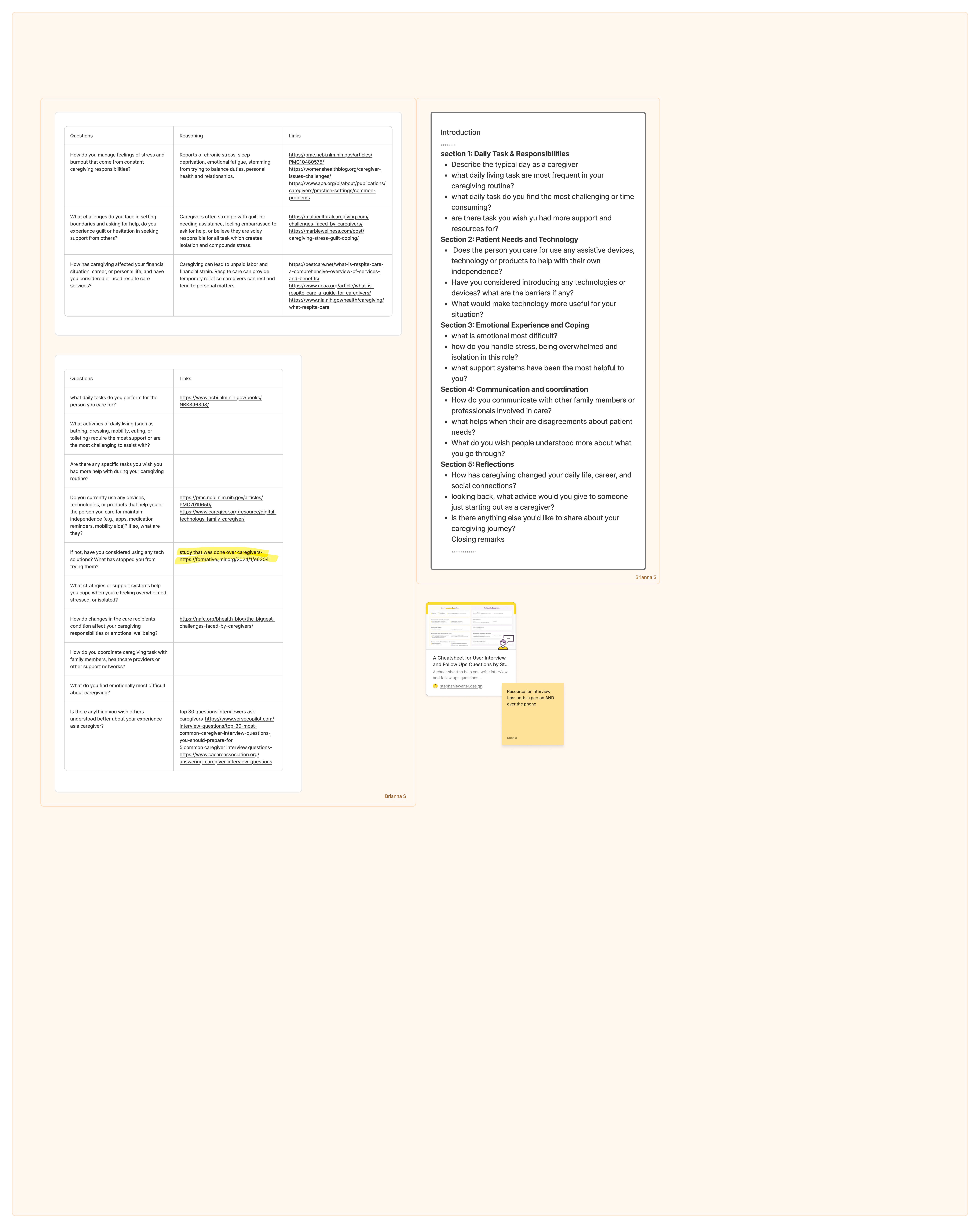
Research Tools Created
Screeners
Interview Guide
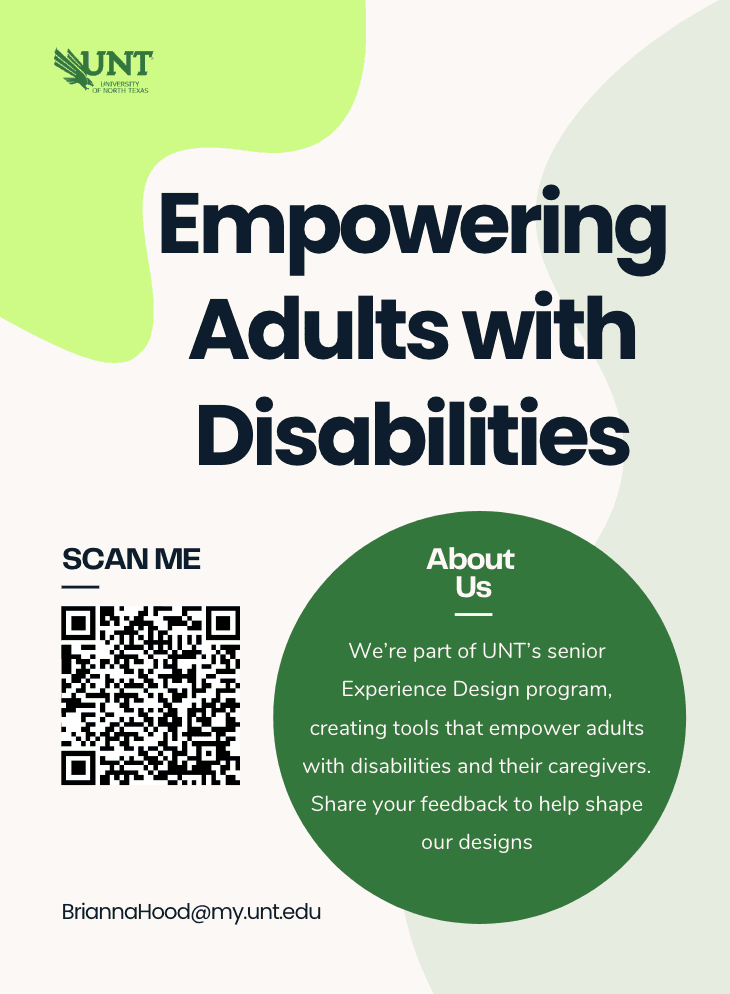
General Public Survey
Our Primary Research & Fieldwork
AI Tool Testing Preparation
To support evaluation of the AI tool, I assisted with survey distribution, participant screening, and early testing preparation among the general public.
Interviewing Users
I conducted and supported interviews to understand daily routines, caregiving dynamics, and challenges related to ADLs.
Organization Outreach
I contacted 20+ organizations across North Texas to recruit participants and expand research access.
Field Visit: Coventry Reserve
I completed a two-day overnight field visit at Coventry Reserve, observing six adult participants throughout their daily routines.
Key insights from the Coventry Visit
Key insights from the Coventry Visit
01
Predictability and routine heavily influence whether ADLs succeed or require intervention.
02
Bathroom safety remains a significant barrier, even among participants who are considered mostly independent.
03
Emotional reassurance is a continuous need and directly affects the flow of ADLs.
04
Cognitive processing differences require step-by-step guidance, patient pacing, and clear communication.
06
Staff rely on structured prompting systems, consistent language, and dignity-centered communication to maintain participant safety and autonomy.
05
Participants value independence deeply, often attempting tasks without equipment or assistance even when risks are present.
01
Identify real-world barriers individuals with disabilities face when completing Activities of Daily Living within home environments.
02
Understand how diverse abilities, routines, and environmental factors impact independence and task completion.
03
Inform the development of assistive products that are practical, adaptable, and usable in real home settings.
04
Support the creation of an AI tool that provides personalized recommendations based on individual needs.
05
Ensure all solutions promote independence without compromising dignity.
01
Identify real-world barriers individuals with disabilities face when completing Activities of Daily Living within home environments.
02
Understand how diverse abilities, routines, and environmental factors impact independence and task completion.
03
Inform the development of assistive products that are practical, adaptable, and usable in real home settings.
04
Support the creation of an AI tool that provides personalized recommendations based on individual needs.
05
Ensure all solutions promote independence without compromising dignity.
Field Visit: Beyond Care Day Center
I conducted an additional field visit at Beyond Care Day Center to observe people in a different program environment. the goal was to Compared routines, independence levels, and support structures to those observed at Coventry Reserve, Examined how different environments shape the way ADLs are completed and supported, and Identified opportunities where simple assistive tools or environmental adjustments could improve autonomy
Key insights from the Beyond Care Day Center Visit
Key insights from the Beyond Care Day Center Visit
01
Examined how environmental setup impacts ADL completion because of sensory sensitivity and overstimulation.
02
Identified tactile, hands-on activities and casual conversation as the most effective engagement methods with participants.
03
The visit informed recommendations for future usability testing participants and prototype validation.
04
Helped recruit participants for the DLL workshop through relationship building with the center.
05
Incentives were identified as important for improving workshop turnout and participation.
01
Identify real-world barriers individuals with disabilities face when completing Activities of Daily Living within home environments.
02
Understand how diverse abilities, routines, and environmental factors impact independence and task completion.
03
Inform the development of assistive products that are practical, adaptable, and usable in real home settings.
04
Support the creation of an AI tool that provides personalized recommendations based on individual needs.
05
Ensure all solutions promote independence without compromising dignity.
01
Identify real-world barriers individuals with disabilities face when completing Activities of Daily Living within home environments.
02
Understand how diverse abilities, routines, and environmental factors impact independence and task completion.
03
Inform the development of assistive products that are practical, adaptable, and usable in real home settings.
04
Support the creation of an AI tool that provides personalized recommendations based on individual needs.
05
Ensure all solutions promote independence without compromising dignity.
Evaluation & Real-World validation
Testing Prototypes with our Users
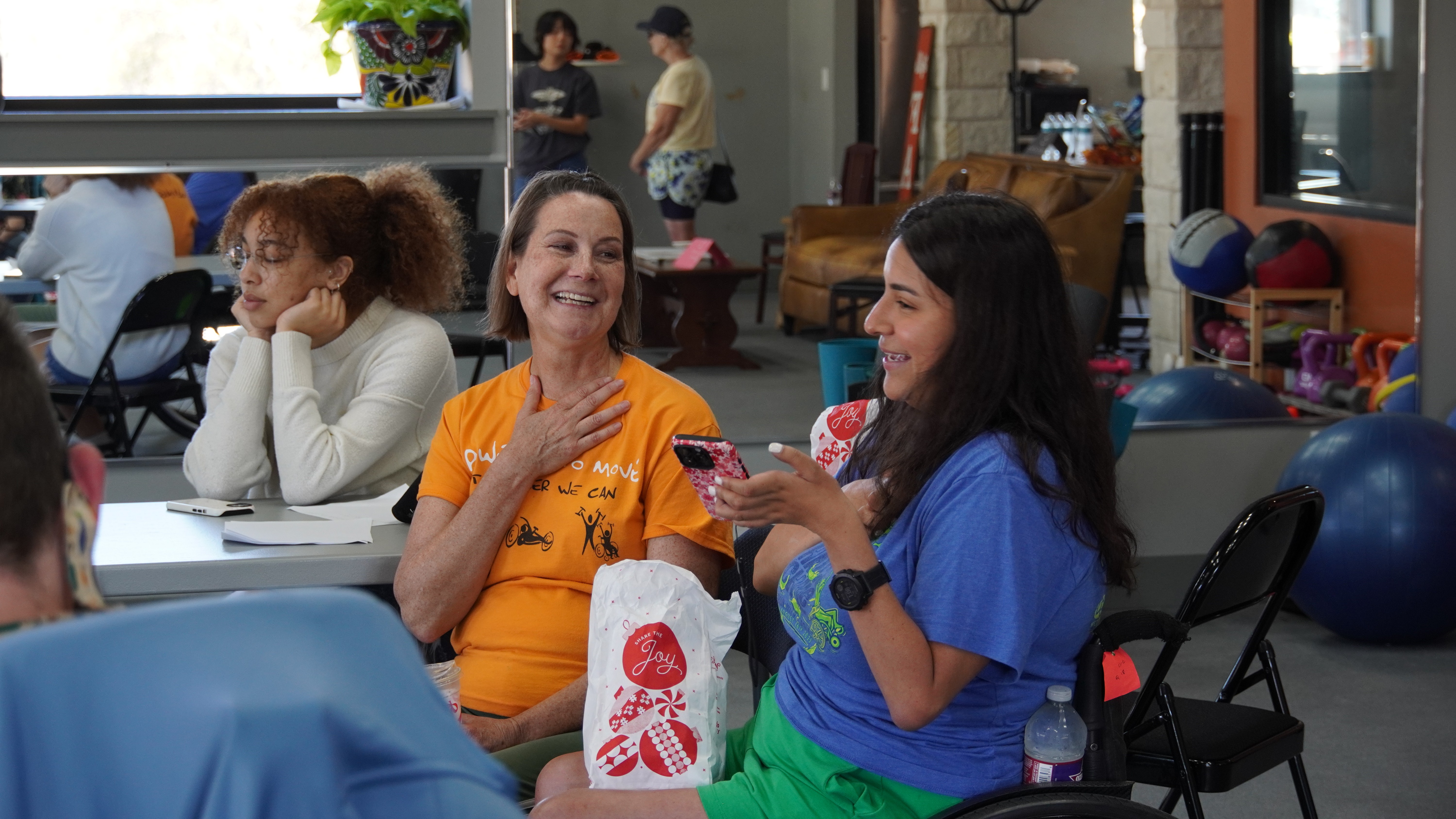
I organized, coordinated, and facilitated a user-testing workshop at Powered to Move Gym with 11 participants across varying disability backgrounds. I was responsible for managing participant flow, preparing materials, and serving as the lead facilitator for the AI tool testing station.
Prototype Testing Workshop (Powered to Move)
• Coordinated logistics including RSVP system, table setup, signage, and testing materials. • Directed participants to appropriate testing stations and supported multiple teams during evaluation. • Led testing for the AI tool, guiding participants through interactions while observing behavior and feedback. • Supported evaluation of 6 physical prototypes and 1 digital tool in a real-world setting.
AI Tool Usability Testing
I conducted usability testing for the AI tool during the workshop, serving as the lead facilitator at the testing station and guiding participants through the interaction while observing behavior, decision-making, and points of friction.
• Tested the AI tool with 7 participants across varying abilities. • Guided users through the flow while allowing for independent interaction and natural responses. • Documented user behavior, confusion points, and expectations in real time.
Prototype Testing Workshop (Powered to Move)
• Coordinated logistics including RSVP system, table setup, signage, and testing materials. • Directed participants to appropriate testing stations and supported multiple teams during evaluation. • Led testing for the AI tool, guiding participants through interactions while observing behavior and feedback. • Supported evaluation of 6 physical prototypes and 1 digital tool in a real-world setting.
AI Tool Usability Testing
I conducted usability testing for the AI tool during the workshop, serving as the lead facilitator at the testing station and guiding participants through the interaction while observing behavior, decision-making, and points of friction.
• Tested the AI tool with 7 participants across varying abilities. • Guided users through the flow while allowing for independent interaction and natural responses. • Documented user behavior, confusion points, and expectations in real time.
Prototype Testing Workshop (Powered to Move)
• Coordinated logistics including RSVP system, table setup, signage, and testing materials. • Directed participants to appropriate testing stations and supported multiple teams during evaluation. • Led testing for the AI tool, guiding participants through interactions while observing behavior and feedback. • Supported evaluation of 6 physical prototypes and 1 digital tool in a real-world setting.
AI Tool Usability Testing
I conducted usability testing for the AI tool during the workshop, serving as the lead facilitator at the testing station and guiding participants through the interaction while observing behavior, decision-making, and points of friction.
• Tested the AI tool with 7 participants across varying abilities. • Guided users through the flow while allowing for independent interaction and natural responses. • Documented user behavior, confusion points, and expectations in real time.
Key Observational Insights
Key Observational Insights
01
Users expected the AI to provide immediate recommendations, rather than begin with exploratory questioning.
02
Typing created a barrier for many participants, highlighting the need for alternative input methods such as buttons.
03
Some prompts were unclear or felt irrelevant, requiring simpler, more direct language.
04
Age-based questions were not meaningful; functional ability and injury level were more relevant for personalization.
01
Identify real-world barriers individuals with disabilities face when completing Activities of Daily Living within home environments.
02
Understand how diverse abilities, routines, and environmental factors impact independence and task completion.
03
Inform the development of assistive products that are practical, adaptable, and usable in real home settings.
04
Support the creation of an AI tool that provides personalized recommendations based on individual needs.
05
Ensure all solutions promote independence without compromising dignity.
01
Identify real-world barriers individuals with disabilities face when completing Activities of Daily Living within home environments.
02
Understand how diverse abilities, routines, and environmental factors impact independence and task completion.
03
Inform the development of assistive products that are practical, adaptable, and usable in real home settings.
04
Support the creation of an AI tool that provides personalized recommendations based on individual needs.
05
Ensure all solutions promote independence without compromising dignity.
Market Evaluation (Dallas Abilities Expo)
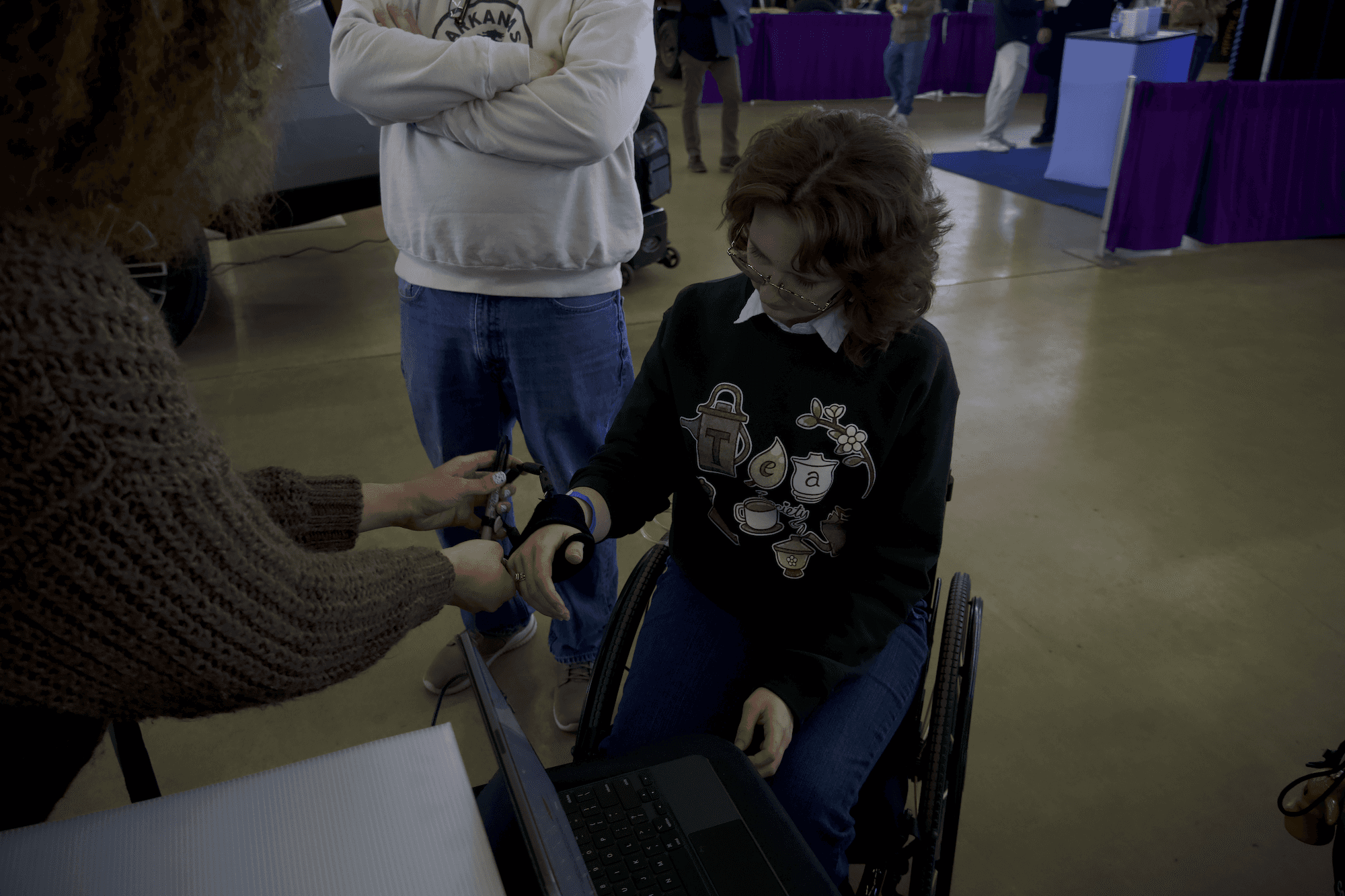
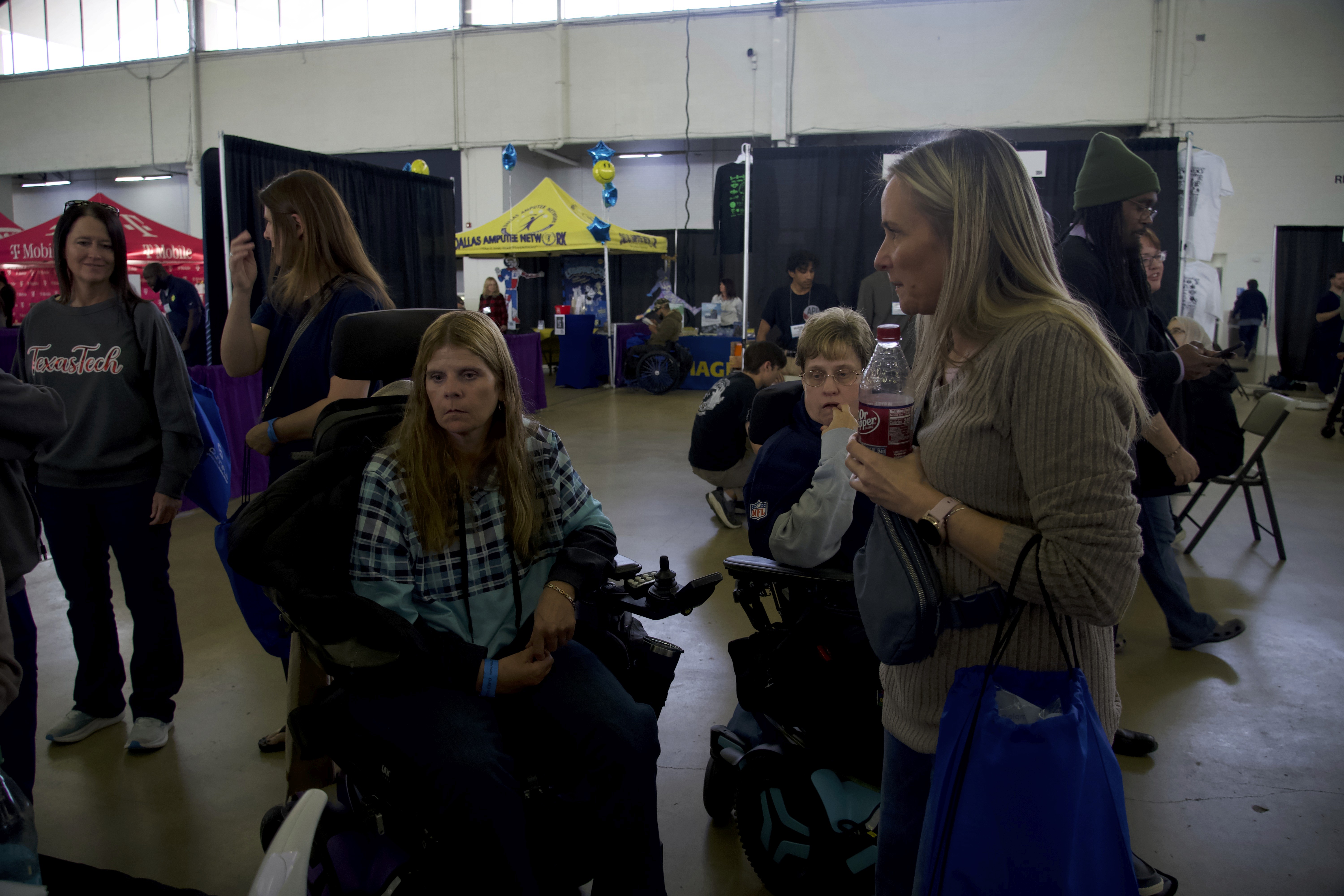
To evaluate how the concept resonated beyond structured research settings, I engaged with attendees at the Dallas Abilities Expo, presenting prototypes and the AI tool concept to individuals actively seeking assistive solutions.
Key Observational Insights from Dallas Abilities Expo
Key Observational Insights from Dallas Abilities Expo
01
Attendees prioritized solutions that account for differences in strength, dexterity, reach, and mobility levels
02
The concept resonated more when framed as a “solution finder” rather than an AI tool
03
Many users rely on friends, family, and word-of-mouth instead of searching online for solutions
04
High frustration exists around the cost and accessibility of assistive tools
05
Users valued personalized recommendations, especially when they felt practical and easy to implement
01
Identify real-world barriers individuals with disabilities face when completing Activities of Daily Living within home environments.
02
Understand how diverse abilities, routines, and environmental factors impact independence and task completion.
03
Inform the development of assistive products that are practical, adaptable, and usable in real home settings.
04
Support the creation of an AI tool that provides personalized recommendations based on individual needs.
05
Ensure all solutions promote independence without compromising dignity.
01
Identify real-world barriers individuals with disabilities face when completing Activities of Daily Living within home environments.
02
Understand how diverse abilities, routines, and environmental factors impact independence and task completion.
03
Inform the development of assistive products that are practical, adaptable, and usable in real home settings.
04
Support the creation of an AI tool that provides personalized recommendations based on individual needs.
05
Ensure all solutions promote independence without compromising dignity.
Team Impact
Our Research & Observational Insights
Our Research & Observational Insights
01
Established a research-driven foundation for future Daily Living Labs products and services
02
Validated that successful solutions must account for both physical and emotional aspects of independence
03
Observed 30+ participants across field visits, workshops, and real-world environments.
04
Identified the need for solutions that prioritize simplicity, adaptability, and environmental fit over complexity.
05
Highlighted high-risk areas such as bathrooms and kitchens, guiding focus toward safer, more practical interventions.
01
Identify real-world barriers individuals with disabilities face when completing Activities of Daily Living within home environments.
02
Understand how diverse abilities, routines, and environmental factors impact independence and task completion.
03
Inform the development of assistive products that are practical, adaptable, and usable in real home settings.
04
Support the creation of an AI tool that provides personalized recommendations based on individual needs.
05
Ensure all solutions promote independence without compromising dignity.
01
Identify real-world barriers individuals with disabilities face when completing Activities of Daily Living within home environments.
02
Understand how diverse abilities, routines, and environmental factors impact independence and task completion.
03
Inform the development of assistive products that are practical, adaptable, and usable in real home settings.
04
Support the creation of an AI tool that provides personalized recommendations based on individual needs.
05
Ensure all solutions promote independence without compromising dignity.
My Reflection
It was an honor to be able to exist in a community that I had not much knowledge on, it shaped me more as a person and developed my skills to be bale to interact with more people in various conditions an dculture. we are all more alike than different.
Next Steps for Daily Living labs
Next Steps for Daily Living labs
passing on the building blocks to the grad program of the research findings and evaluation insights, the next phase would focus on refining solutions to better align with real-world environments, user needs, and accessibility requirements.
01
Refine physical prototypes to better account for environmental constraints, especially in bathrooms and kitchens.
02
Simplify the AI tool by reducing reliance on typing and improving clarity of prompts and interactions.
03
Shift AI logic to prioritize functional ability over demographic inputs.
04
Continue testing solutions in real-world environments to ensure usability beyond controlled settings.
05
Further develop solutions that support both physical and emotional aspects of independence.
01
Identify real-world barriers individuals with disabilities face when completing Activities of Daily Living within home environments.
02
Understand how diverse abilities, routines, and environmental factors impact independence and task completion.
03
Inform the development of assistive products that are practical, adaptable, and usable in real home settings.
04
Support the creation of an AI tool that provides personalized recommendations based on individual needs.
05
Ensure all solutions promote independence without compromising dignity.
01
Identify real-world barriers individuals with disabilities face when completing Activities of Daily Living within home environments.
02
Understand how diverse abilities, routines, and environmental factors impact independence and task completion.
03
Inform the development of assistive products that are practical, adaptable, and usable in real home settings.
04
Support the creation of an AI tool that provides personalized recommendations based on individual needs.
05
Ensure all solutions promote independence without compromising dignity.
You made it to the end
You made it to the end